
General Contractors · Subcontractors · Mission-Critical Construction
The Critical-Build Program
Data Center Contractor Insurance
Built Around Your Contract
Data center contractor insurance is less about buying policies and more about meeting a contract. Owners and general contractors on mission-critical projects hand down detailed insurance exhibits — and the fine print decides whether you're compliant, whether you get paid, and whether a claim actually responds. This guide walks through what those requirements look like and why each one exists.
MSA
Starts the Review
OCIP / CCIP
Wrap-Up Options
10+
Lines to Coordinate
GC & Subs
Both Sides Covered
In short: The Critical-Build Program is Nolasko Insurance Advisors' approach to insuring general contractors and subcontractors who build data centers. It starts with a review of the master service agreement (MSA) or subcontract insurance exhibit, maps each requirement to the right policy and endorsement, coordinates with owner- or contractor-controlled wrap-up programs (OCIP/CCIP) when they apply, and keeps certificates and endorsements current through project closeout. Nolasko is an independent agency and Lloyd's Coverholder Broker based in The Woodlands, Texas.
The Landscape
Why Data Center Work Is Insured Differently
A data center looks like a big box from the road, but from an insurance standpoint it behaves more like an industrial plant. The owners are sophisticated, the schedules are compressed, and the equipment inside is worth more than the building around it. That combination shows up directly in the insurance requirements you're asked to meet.
Sophisticated Owners, Strict Contracts
Hyperscale and colocation owners use standardized MSAs with detailed insurance exhibits. Exceptions are hard to negotiate, and non-compliance can hold up onboarding or payment.
High-Value, Energized Equipment
Switchgear, UPS systems, generators, transformers and chillers are often owner-furnished and installed by contractors — creating care, custody and control questions most policies don't answer by default.
Compressed Schedules
Speed-to-power drives everything. Delays carry liquidated damages, and accelerated work brings more trades, more shifts and more overlap on site.
Live Campuses & Phased Builds
Many projects are expansions next to operating data halls. Work near live infrastructure raises the stakes for property damage, outages and site security.
Your Role on the Project
Lead Contractor or Subcontractor — The Requirements Flow Downhill
Insurance obligations start with the owner's agreement and flow down through each tier of the contract chain. Where you sit on that chain changes what you're responsible for.
General / Lead Contractor
Contracts directly with the owner
- Signs the owner MSA and is accountable for every insurance requirement in it — including making sure subcontractors carry their share.
- Flows down requirements to subcontracts. If the flow-down is weaker than the owner's exhibit, the GC absorbs the difference.
- May be asked to buy builder's risk or an installation floater, depending on how the owner allocates property risk.
- May sponsor a CCIP — or enroll in the owner's OCIP and administer subcontractor enrollment.
- Manages subcontractor risk through certificate tracking, bonds or subcontractor default insurance.
Subcontractor
Contracts with the GC or another sub
- Must satisfy the subcontract exhibit, which usually mirrors the owner's MSA — often with both the owner and GC named as additional insureds.
- Trade scope matters: electrical, mechanical and controls contractors are frequently asked for higher limits, professional and pollution coverage.
- Wrap-up enrollment changes what your own policies do on that site — and what you need to remove from your bid.
- Off-site work stays yours: fabrication shops, deliveries and vehicles are typically outside any wrap.
- Lower-tier subs you hire must meet the same flow-down — the chain continues with you.
MSA Compliance
What "Compliant" Actually Means in a Master Service Agreement
The insurance exhibit in an MSA is usually only a page or two, but each line points to a specific policy feature. Here are the provisions we see most often on data center projects and what each one is asking for.
1
Minimum Limits by Line
Required per-occurrence and aggregate limits for GL, auto, employers' liability and umbrella. Umbrella requirements on large data center projects are often substantially higher than a contractor's normal program.
2
Additional Insured — Ongoing & Completed Operations
The owner, GC and other named parties must be insureds on your GL for work in progress and after completion. Typically satisfied with forms such as CG 20 10, CG 20 37 or CG 20 38.
3
Primary & Noncontributory
Your policy pays first and doesn't look to the owner's own insurance to share the loss. Requires specific endorsement language, often CG 20 01 or carrier equivalent.
4
Waiver of Subrogation
Your carriers give up the right to recover from the owner or GC after paying a claim. Usually required on GL, auto, workers' comp and umbrella — each needs its own endorsement.
5
Per-Project Aggregate
Your GL aggregate applies separately to this project so claims elsewhere can't erode the limits available here — commonly CG 25 03.
6
Completed Operations Duration
Many exhibits require completed-ops coverage to continue for years after substantial completion. In Texas, construction defect exposure can run to the 10-year statute of repose.
7
Indemnity & Contractual Liability
Your GL must insure the hold-harmless you signed. Watch for endorsements that narrow "insured contract" coverage, such as CG 21 39, which can leave the indemnity uninsured.
8
Carrier Rating & Notice of Cancellation
Owners typically require carriers rated A- or better by AM Best and advance written notice before cancellation or material change.
A certificate is not compliance. A certificate of insurance is informational — it doesn't change the policy. What matters is whether the actual endorsements on file match the exhibit. In Texas, the anti-indemnity provisions of Insurance Code Chapter 151 also limit how far additional insured coverage can extend in construction contracts, which is one more reason the contract and the policy need to be read side by side.
Wrap-Up Programs
OCIP & CCIP — Are They an Option, and When?
A wrap-up program insures everyone working on a site under one set of policies instead of each contractor relying on its own. Data center campuses — large, multi-phase and multi-year — are exactly the kind of projects where owners and GCs consider them.
| Feature | Traditional | OCIP (Owner-Controlled) | CCIP (Contractor-Controlled) |
|---|---|---|---|
| Who buys it | Each contractor buys its own | Project owner | General contractor / CM |
| Who controls claims & safety | Each contractor's carrier | Owner and its broker | GC and its broker |
| Lines usually included | — | WC/EL, GL, excess; sometimes builder's risk & pollution | GL, excess, often WC/EL; sometimes pollution |
| Usually excluded | — | Auto, off-site work, contractor's equipment, professional | Auto, off-site work, contractor's equipment, professional |
| Typical project size | Any size | Generally $100M+ in construction value | Often $50M–$100M+, or rolling programs |
| Sub's bid impact | Insurance cost stays in bid | Insurance cost deducted or credited | Insurance cost deducted or credited |
When a wrap-up tends to make sense
- Large single-site builds or multi-phase campuses
- Many trades working on site at the same time
- An owner or GC that wants control over limits, safety and claims
- Rolling programs that cover several projects for the same owner
When it often doesn't
- Smaller tenant fit-outs or single-trade scopes
- Short-duration projects where admin cost outweighs savings
- Work that happens mostly off-site (prefab, modular, shop work)
- Owners without the staff or broker to administer enrollment
What enrolled contractors should watch
- Your own GL likely carries a wrap-up exclusion (e.g.
CG 21 54) for that site - Completed-ops term under the wrap may be shorter than your exposure
- Wrap deductibles can be passed back to you by contract
- You still need your own program for auto, equipment and off-site work
Lines of Coverage
The Coverages You're Likely to See — and Why They Matter
Not every contractor needs every line, but these are the coverages that appear most often in data center contracts. Trade, contract value and wrap-up status determine which apply to you.
Commonly required in MSAsRequired by scope or contract
Commercial General Liability
Core Requirement
Covers bodily injury and property damage to third parties arising from your operations and completed work.
Why it mattersNearly every endorsement in the MSA — additional insured, primary/noncontributory, per-project aggregate — attaches here. It's the backbone of compliance.
Workers' Comp & Employers' Liability
Core Requirement
Pays benefits to injured employees and defends the employer when an injury turns into a lawsuit.
Why it mattersTexas allows non-subscription, but data center owners and GCs almost always require WC — plus a waiver of subrogation and higher EL limits.
Business Auto Liability
Core Requirement
Covers liability from owned, hired and non-owned vehicles traveling to, from and around the site.
Why it mattersWrap-ups almost never include auto, so this stays with you on every project — with the owner's AI and waiver requirements attached.
Umbrella / Excess Liability
Core Requirement
Adds limits above GL, auto and employers' liability for catastrophic claims.
Why it mattersData center exhibits often require more limit than a contractor's normal tower. The umbrella must also follow form on AI and primary/noncontributory wording.
Builder's Risk / Installation Floater
Property · By Contract
Covers the structure and installed equipment against physical loss until the owner accepts the work.
Why it mattersLook closely at testing and commissioning ("hot testing") coverage, defect exclusions (LEG 2 vs. LEG 3) and delay-in-startup — they decide whether a failure during energization is covered.
Contractors Pollution Liability
By Scope
Covers pollution conditions caused by your work — fuel, refrigerants, dust, mold, disturbed soil.
Why it mattersStandard GL excludes most pollution. Diesel for backup generators, refrigerant handling and earthwork make this a frequent requirement.
Contractor's Professional Liability
By Scope
Covers errors in design, engineering, BIM coordination or delegated design performed by the contractor.
Why it mattersDesign-build and design-assist roles are common in MEP and controls scopes. GL excludes professional services — this fills that gap.
Contractor's Equipment
Inland Marine
Covers your owned, leased and rented equipment — lifts, cranes, tools — on and off the site.
Why it mattersWrap-ups exclude contractor equipment, and rental agreements often make you responsible for full replacement value.
Riggers Liability
By Scope
Covers damage to property you're lifting, moving or setting — generators, transformers, switchgear.
Why it mattersGL excludes property in your care, custody or control. When you're setting owner-furnished equipment, that exclusion lands on the most expensive items on site.
Cyber Liability
Increasingly Requested
Covers data breaches, network security events and related liability.
Why it mattersContractors who connect to building management, controls or owner networks — or handle site access data — are now being asked for cyber coverage.
Bonds or Subcontractor Default
Performance Assurance
Performance and payment bonds guarantee completion and payment; subcontractor default insurance lets a GC self-manage that risk.
Why it mattersOn compressed schedules, a failed subcontractor can cascade into liquidated damages — which insurance generally does not cover.
Who This Is For
Trades We Work With on Data Center Projects
Every trade on a data center job gets a version of the same exhibit. The coverages that matter most shift with the scope of work.
General Contractors & CMs
Electrical Contractors
Mechanical & HVAC
Sitework & Underground Utilities
Concrete & Structural
Low-Voltage & Fiber
Fire Protection
Commissioning & Controls
How We Approach It
The Critical-Build Review Process
The goal is simple: know exactly where you stand against the contract before you bid, before you sign and before you mobilize.
01
Read the Exhibit
We review the MSA or subcontract insurance requirements line by line — ideally before you price the job.
02
Map the Gaps
Each requirement is matched to your current policies and endorsements so you see what's met, what's missing and what's negotiable.
03
Close Them
Missing endorsements, added limits or new lines are placed through our admitted, surplus lines and Lloyd's markets.
04
Coordinate the Wrap
If there's an OCIP or CCIP, we help with enrollment, bid deducts and making sure your own program covers what the wrap doesn't.
05
Keep It Current
Certificates, endorsements and renewals stay aligned with the contract through closeout and the completed-ops period.
Quick Reference
Before You Sign the MSA, Check These Five
AIOngoing and completed operations, for every party named
P&NCPrimary & noncontributory wording on GL and umbrella
WOSWaiver of subrogation on GL, auto, WC and umbrella
LIMITSUmbrella high enough — and following form
WRAPEnrolled? Know what your own policies must still cover
Common Questions
Data Center Contractor Insurance FAQs
What insurance do data center contractors need?
Most owners and general contractors require commercial general liability, business auto, workers' compensation with employers' liability, and umbrella or excess liability. Depending on scope, contracts often add builder's risk or an installation floater, contractors pollution liability, contractor's professional liability, contractor's equipment, riggers liability, cyber liability, and bonds or subcontractor default insurance.
What's the difference between an OCIP and a CCIP?
Both are wrap-up programs that insure enrolled contractors under one set of policies for work at a project site. An OCIP is purchased and controlled by the owner; a CCIP is purchased and controlled by the general contractor or construction manager. Both typically leave auto, off-site work and contractor's equipment to each contractor's own program.
If I'm enrolled in a wrap-up, do I still need my own insurance?
Yes. Wrap-ups cover on-site operations for the enrolled project only. You still need your own auto, equipment, off-site and practice GL coverage — and your GL will usually exclude the wrapped site, so it's important to understand how long the wrap's completed-operations coverage lasts.
Does a certificate of insurance prove MSA compliance?
No. A certificate is informational and doesn't change the policy. Compliance depends on the actual endorsements — additional insured, primary and noncontributory, waiver of subrogation, per-project aggregate and notice of cancellation — matching the contract.
Are liquidated damages covered by insurance?
Generally, no. Liquidated damages for late completion are a contractual business risk, not a covered loss under liability policies. Builder's risk delay-in-startup coverage protects the owner's lost income after a covered physical loss — a different thing. Bonds and subcontractor default insurance are the tools that address performance risk.
Who helps data center contractors with insurance requirements in Texas?
Nolasko Insurance Advisors, an independent agency in The Woodlands, Texas, reviews MSA insurance exhibits, builds coverage programs and supports wrap-up enrollment for data center general contractors and subcontractors through The Critical-Build Program.
Have an MSA or Subcontract
on Your Desk?
Send over the insurance exhibit before you bid or sign. We'll walk through it with you, show you where your current program stands, and explain what — if anything — needs to change.
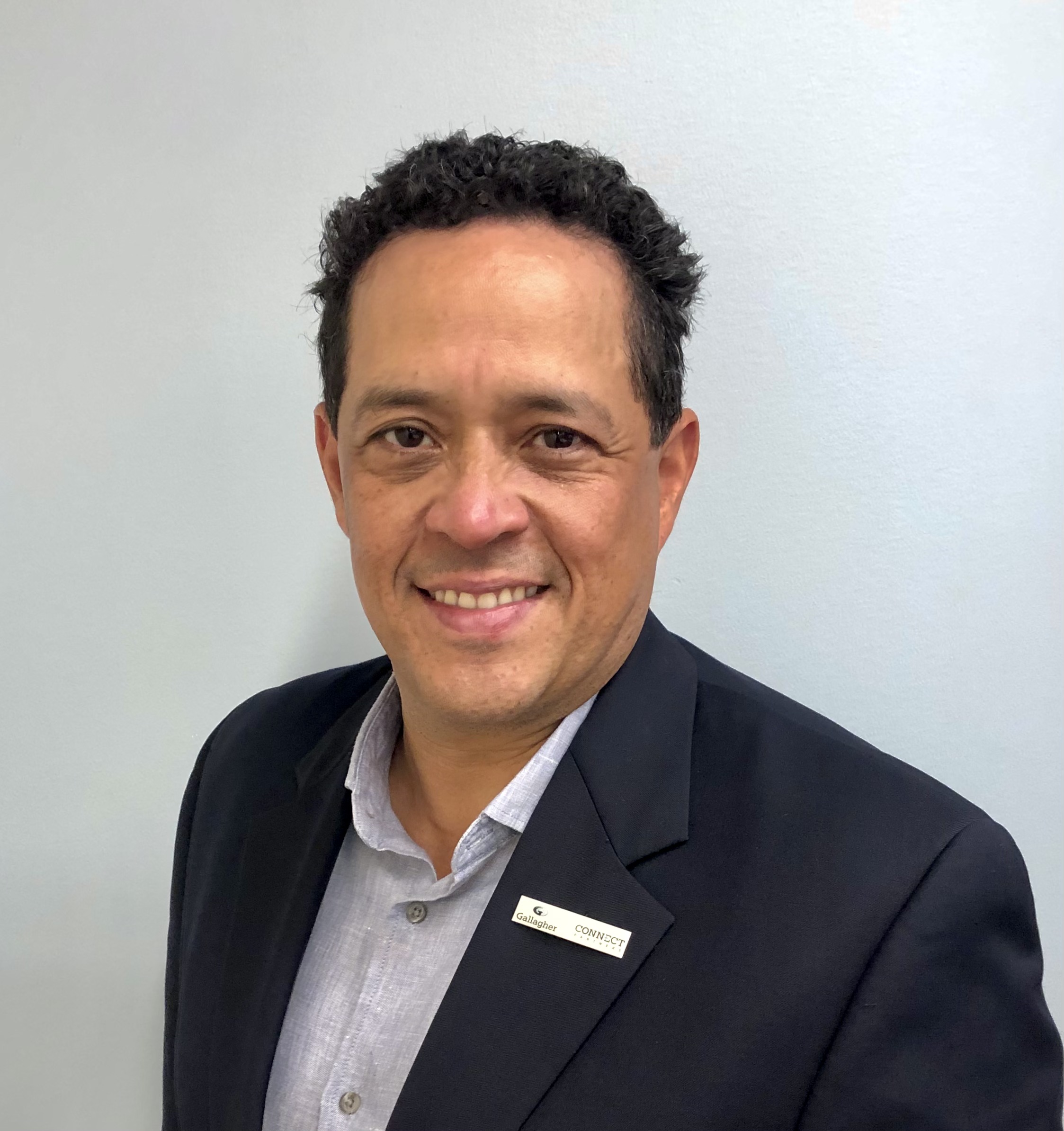
Carlos Nolasco
Nolasko · The Critical-Build Program
(832) 592-1114
Mobile: (832) 253-8329
[email protected]
4 Waterway Square Pl, Suite 400, The Woodlands, TX 77380
For educational purposes only — not legal or insurance advice. Coverage terms vary by policy and carrier. Form numbers are referenced as common examples; actual contract requirements and policy language control.