
Commercial Property Insurance
Office buildings, apartment complexes, shopping malls, warehouses, industrial
Insurance For Commercial Real Estate and Property
Commercial property insurance protects your building, equipment, inventory, and other physical assets against losses from events like fire, theft, storms, or vandalism. It helps keep your business running by covering the cost to repair or replace damaged property so you can get back to normal operations quickly.
Flood insurance is separate coverage, not part of your property coverage.
Property Insurance -4 Points To Consider

Property Valuation
Replacement Cost Valuation (RCV)
This covers the cost to repair or replace damaged property with new materials of similar kind and quality—without subtracting for depreciation. In simple terms, the client gets enough to rebuild or replace items as if they were brand-new.
Actual Cash Value (ACV)
This pays for the cost to repair or replace property minus depreciation. The older the building, equipment, or inventory, the more value is deducted—meaning the payout is usually lower.
Key Difference
RCV focuses on today’s full replacement cost; ACV focuses on the item’s current value after wear and tear. RCV gives stronger financial protection, while ACV helps control premiums but may leave a gap after a loss.

Business Income
Business income coverage replaces lost income and helps pay ongoing expenses when a covered event—like a fire or major damage—forces a business to slow or shut down. It keeps cash coming in, covers key expenses like payroll and rent, and can include extra funds to help the business reopen faster.
-
Keeps cash flow steady while repairs are happening
-
Protects payroll, helping retain key employees
-
Covers fixed expenses that continue even when business operations don’t
-
Reduces financial strain so the business can focus on reopening
-
Supports faster recovery, often limiting long-term customer loss
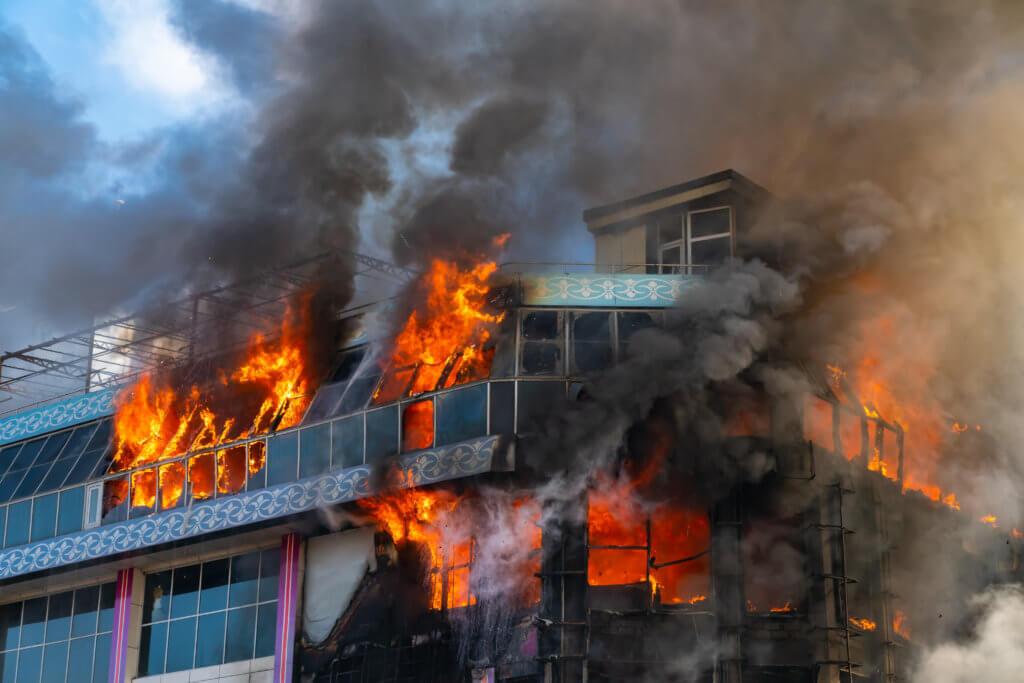
Cause of Loss
Basic vs. Special Cause of Loss
-
Basic Cause of Loss covers only the specific perils listed in the policy, like fire, lightning, windstorm, or vandalism. If the damage comes from something not listed, it’s usually not covered.
-
Special Cause of Loss (also called “all-risk” coverage) covers all causes of loss except those specifically excluded. This gives broader protection and reduces gaps in coverage.
Key Difference: Basic is limited to named perils; Special protects against nearly everything unless the policy explicitly says otherwise.

Co-Insurance Clause
A coinsurance clause requires a policyholder to carry insurance equal to a certain percentage of the property’s value—often 80%, 90%, or 100%. If the insured carries less than that amount, the insurer may pay only a portion of a loss, based on the ratio of coverage carried versus the required coverage.
Why It’s Important
-
Ensures you have enough coverage to rebuild or replace your property after a loss
-
Prevents unexpected out-of-pocket expenses if a claim occurs
-
Encourages accurate property valuation, helping keep premiums fair